From young athletes to aging adults, the human body has foundational fitness qualities that must be maintained to support healthy, resilient movement throughout life.
Research continues to show that improving overall fitness is one of the strongest predictors of longevity, quality of life, and resilience to the physical demands of everyday living.
Consistency and exercise quality matter far more than extreme intensity or excessive duration. A simple, sustainable approach performed regularly will outperform an inconsistent “all or nothing” approach every time.
The 5 Fundamental Fitness Needs 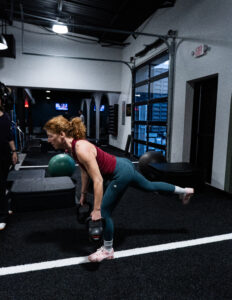
- Breathe
- Bend
- Balance
- Bounce
- Strength
Breathe
Everything starts with breathing.
Performing 8 deep belly breaths before exercise can help reset the nervous system, improve focus, and prepare the body for movement.
Breathing Protocol
- 4-second inhale through the nose
- 2-second hold
- 6-second exhale through the mouth
Proper breathing helps regulate the nervous system, improve recovery, and enhance movement quality.
Improving your VO2 Max — a measurement of cardiovascular fitness — is one of the leading indicators of long-term health and longevity.
There are many ways to improve cardiovascular fitness, but rotating through different training methods over a 7–10 day span works extremely well.
Cardiovascular Training Methods
- Lactic Capacity Training
- VO2 Max Intervals
- Zone 2 Cardio
Bend
As we age, our joints and soft tissues naturally become stiffer and less mobile.
Daily mobility and flexibility work helps improve circulation, joint health, and movement quality so you can continue to:
- Squat deeply
- Reach overhead
- Bend comfortably
- Move without restriction
A simple mobility warm-up before workouts — or even on days you feel stiff — can make a significant difference.
Pro Tip
Tools such as foam rollers and massage guns can help improve tissue quality, reduce soreness, and keep the body moving efficiently.
Balance
Balance training helps maintain proprioception — your body’s awareness of position and movement.
Single-leg exercises, balance drills, and recreational sports all help improve coordination and stability.
Improving balance supports both athletic performance and everyday activities such as:
- Walking on uneven terrain
- Climbing hills or stairs
- Preventing slips and falls
- Getting up and down from the floor safely
Bounce 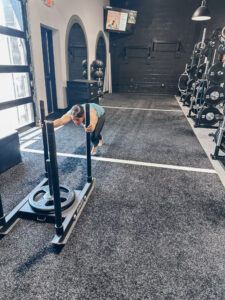
Historically, the ability to jump, skip, throw, and move explosively was viewed as a sign of youth and vitality.
Modern research supports this idea. Humans lose the ability to produce power 3–4 times faster than they lose strength as they age.
A small amount of explosive training goes a long way in maintaining athleticism and resilience.
Lower-Body Power Exercises
- Squat jumps
- Box jumps
- Jumping jacks
- Skipping
- Hopping drills
Rotational & Upper-Body Power Exercises
Medicine ball work is excellent for maintaining torso and hip function:
- Overhead throws
- Rotational throws
- Chest passes
- Ball slams
Bonus: These movements can greatly improve golf performance and rotational power.
Strength
Strength training is one of the most valuable things you can do for your body.
Training 2–3 days per week can significantly improve:
- Muscle mass
- Bone density
- Joint health
- Metabolism
- Longevity
- Overall resilience
All training tools have value:
- Kettlebells
- Dumbbells
- Machines
- Barbells
- Bodyweight exercises
Focus primarily on large, multi-joint movements:
- Squats
- Lunges
- Presses
- Rows
- Chin-ups/Pull-ups
- Deadlift variations
- Loaded carries
Heavy carries such as Farmer’s Walks are especially effective for improving grip strength, posture, and core stability.
Smaller isolation exercises like:
- Bicep curls
- Triceps extensions
- Shoulder raises
- Calf raises
can be added after the primary movements.
Sample Full-Body Workout
Warm-Up
- 8 Deep Belly Breaths
- Mobility & Balance Routine (Insert Link)
Power Work
- Ball Slams — 3 x 5
- Box Jumps or Squat Jumps — 3 x 5
Strength Supersets
Perform each pair of exercises back-to-back.
Superset 1
1A. Dumbbell Bench Press — 3 x 8
1B. Stiff-Leg Deadlift — 3 x 8
Superset 2
2A. Goblet Squat — 3 x 8
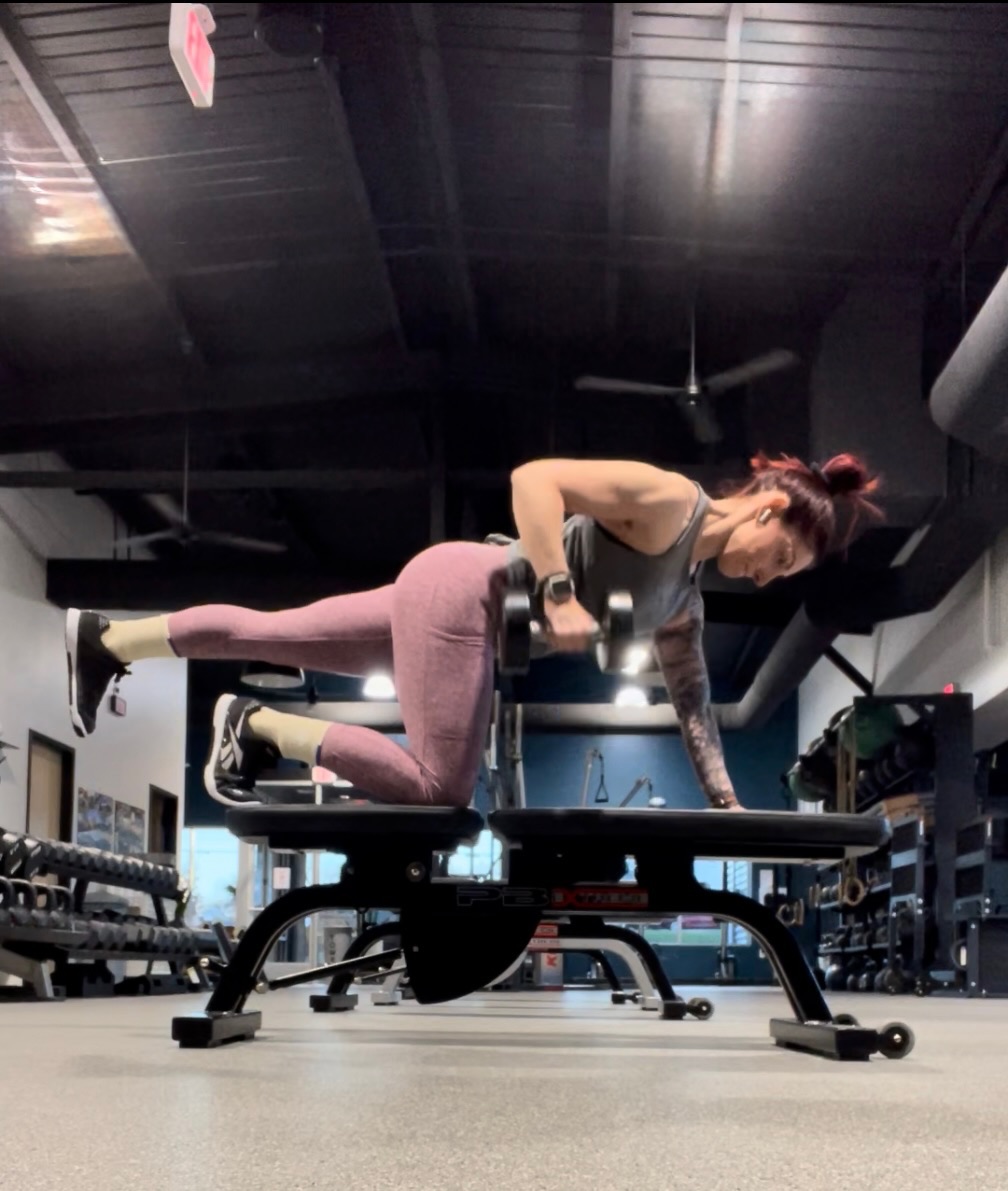
2B. One-Arm Dumbbell Row — 3 x 8
Superset 3
3A. Farmer’s Walk — 3 x 40 meters
3B. Front Plank + Side Plank — 3 x 20–45 seconds
Cardio (Breathe) – pick one
- Lactic Capacity Training: intervals
- VO2 Max: Norwegian 4x4x4 Method
- Zone 2 Cardio: 20-45 minutes
_______________________________________________________________________________________________
Learn More
Visit Justin Grinnell, CSCS for additional fitness education, workouts, and resources.
- Vimeo Page: https://vimeo.com/stateoffitness
- YouTube Page: YouTubehttps://m.youtube.comState of Fitness
- Muscle & Fitness Articles: https://www.muscleandfitness.com/author/justin-grinnell/#google_vignette
___________________________________________________________________________________________________